

What Does the Cylinder Head Do? The Unsung Heart of Your Engine’s Performance
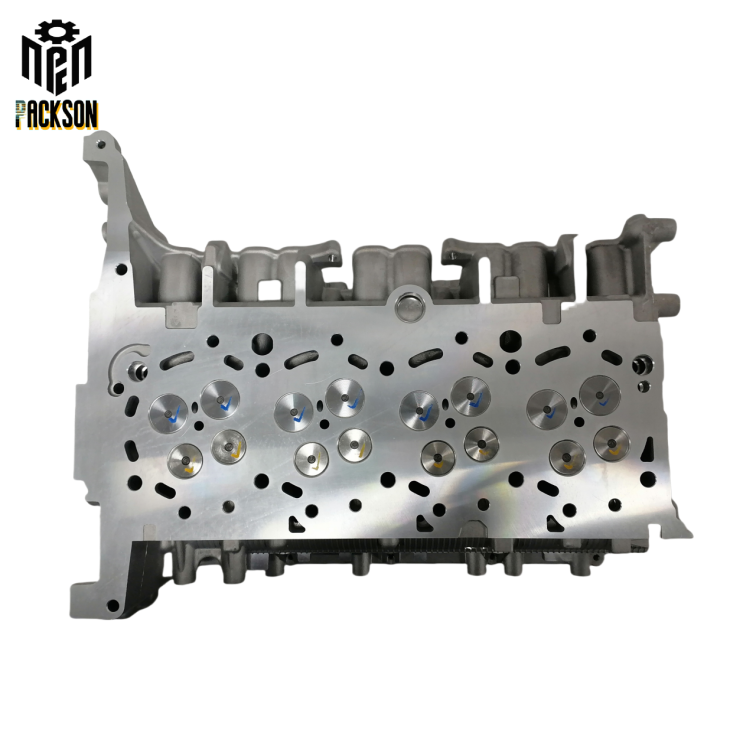
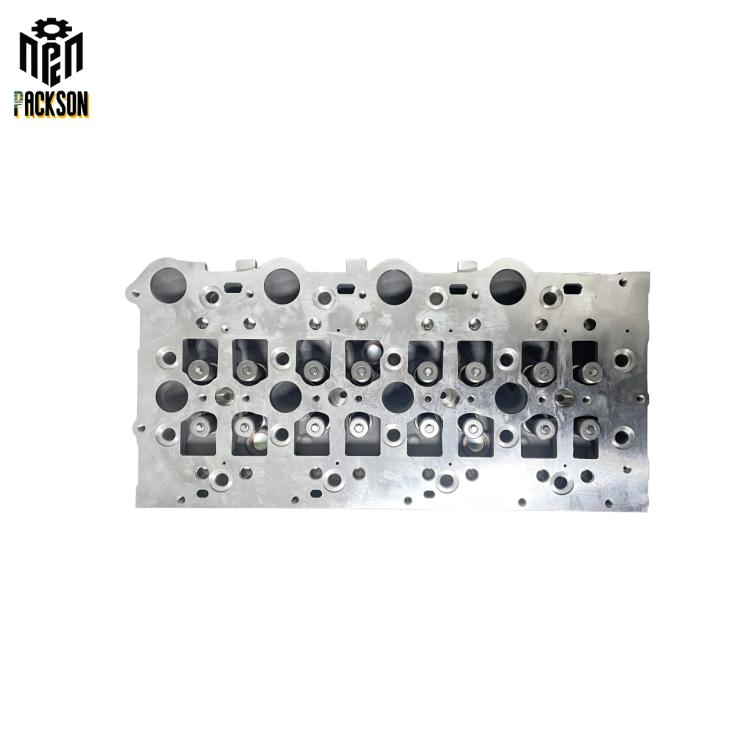
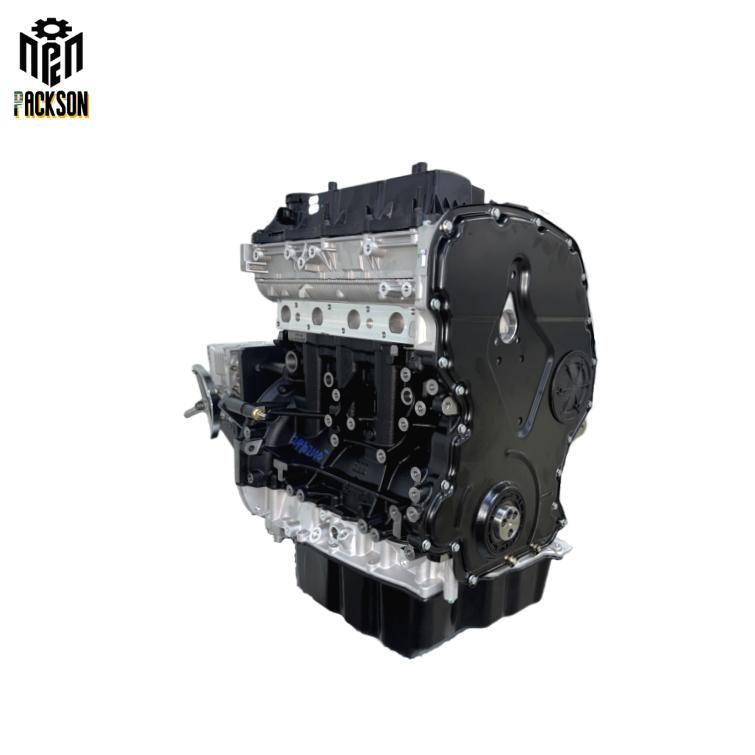
The cylinder head is one of the most critical, yet often overlooked, components in an internal combustion engine. Mounted directly atop the engine block, it seals the upper portion of the cylinders and acts as the command center for combustion, airflow, heat regulation, and power delivery. For both gasoline and diesel powertrains, its design and function directly shape engine efficiency, horsepower, emissions, and long-term reliability.
At its core, the cylinder head has four non-negotiable jobs that keep an engine running:
Seal the Combustion Chamber
It forms a tight, pressure-resistant enclosure with the cylinder block and piston, trapping the air-fuel mixture during compression and combustion. This seal maintains optimal cylinder compression, preventing gas leaks that would rob power, reduce fuel economy, and trigger rough running. It must withstand extreme thermal and mechanical stress, including peak combustion temperatures exceeding 1,500°C and repeated pressure spikes.
2.House Core Engine Components
The cylinder head serves as the mounting platform for intake and exhaust valves, valve springs, valve seats, and guides. In gasoline engines, it holds spark plugs; in direct-injection engines, it accommodates fuel injectors. Most modern overhead camshaft (OHC) engines also integrate camshaft bearing journals into the head, controlling valve timing and lift to synchronize intake and exhaust cycles with piston movement.
3.Manage Intake and Exhaust Flow
Integrated intake and exhaust ports route fresh air or air-fuel mix into the combustion chamber and channel spent exhaust gases out after combustion. The shape, size, and smoothness of these ports heavily influence volumetric efficiency—how well the engine “breathes.” Well-engineered port design boosts low-end torque, high-RPM power, and thermal efficiency, while poor flow leads to incomplete burn and higher emissions.
4.Regulate Engine Temperature
Nearly all road-going engines feature a built-in water jacket within the cylinder head. Coolant circulates through these passages to draw heat away from the combustion chamber, valves, and spark plugs, preventing overheating, warping, and pre-ignition. This thermal management is vital to sustaining consistent performance across stop-and-go traffic, highway cruising, and heavy loads.
Beyond these fundamental roles, the cylinder head’s geometry—including the shape of the combustion chamber, spark plug placement, and valve angle—defines combustion efficiency. Hemispherical, wedge, and pent-roof chamber designs each balance power, efficiency, and manufacturing cost, explaining why automakers invest heavily in head engineering for hybrid, turbocharged, and high-efficiency engines.
Industry engineers note that cylinder head failures, such as blown head gaskets, cracks, or warping, are among the costliest mechanical issues. These failures stem from lost compression, coolant leaks, oil contamination, or overheating, often disabling the engine entirely. Routine maintenance, including coolant flushes and proper torque procedures, is key to extending cylinder head service life.
As automakers shift toward hybrid powertrains and higher-compression turbocharged engines, cylinder head materials and design continue to evolve. Aluminum alloy heads dominate modern vehicles for their light weight and superior heat dissipation, while advanced alloys and reinforced seating surfaces handle the higher pressures of boosted engines.
Key Takeaway
The cylinder head is far more than a structural cover; it is the central hub where air, fuel, fire, and mechanics converge to turn fuel into motion. Every aspect of daily driving—from acceleration and smoothness to fuel mileage and emissions—is governed by how well this component performs its core functions. Understanding its role helps vehicle owners, technicians, and buyers appreciate the engineering behind reliable, efficient automotive performance.
Whether you’re performing routine maintenance, diagnosing a misfire, or upgrading engine performance, the cylinder head remains the cornerstone of internal combustion engineering.